This is an old revision of the document!
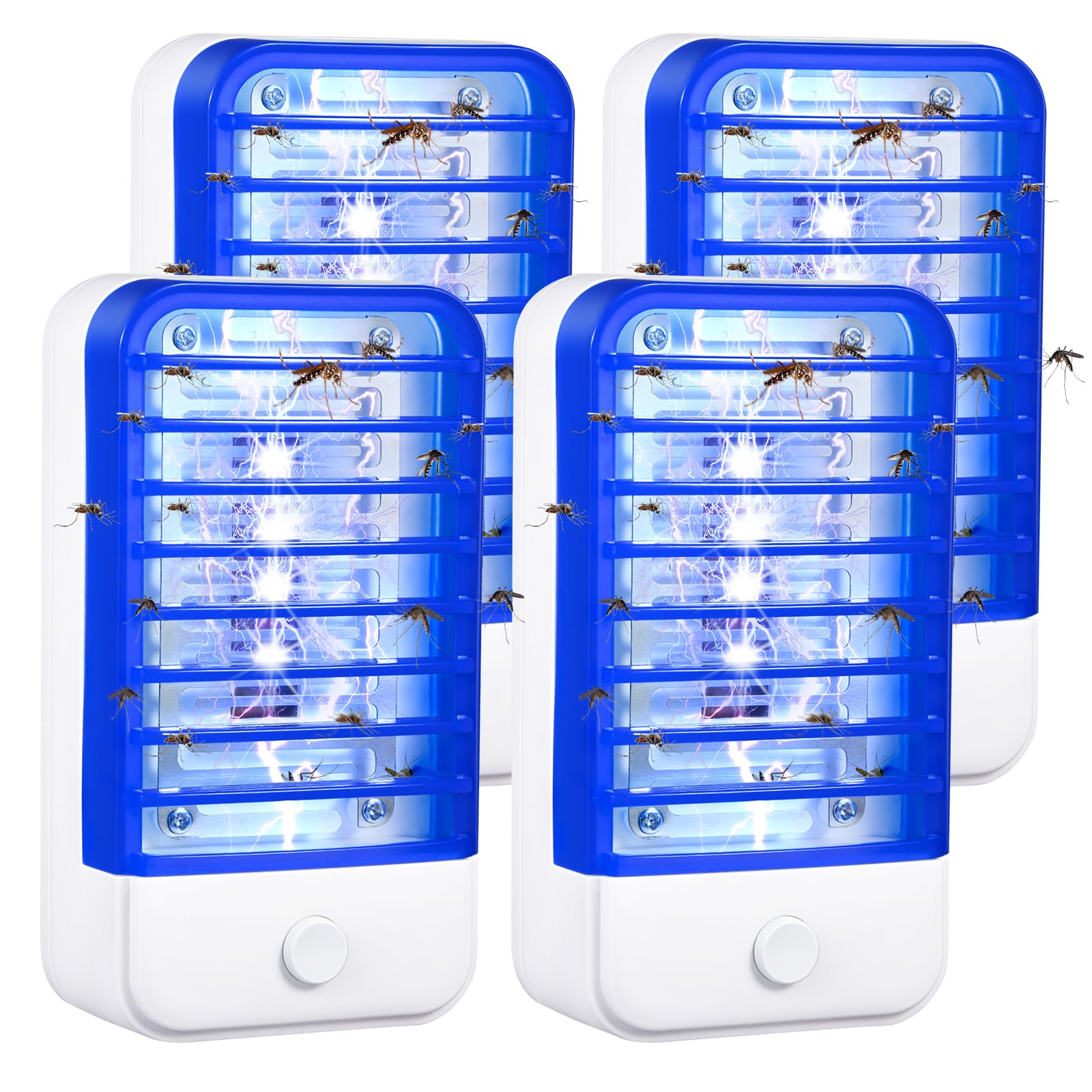
(Image: https://m.media-amazon.com/images/I/819DhldgtKL.jpg)Bug zappers are usually not effective at lowering mosquito populations and may actually hurt helpful insects. They primarily entice and kill harmless insects, portable bug zapper zapper for backyard disrupting local ecosystems and probably rising mosquito zapper populations by eliminating their predators. Alternative methods similar to mosquito traps or repellents are extra environment friendly and environmentally friendly. There are many ways to catch a fly. Those of us who grew up in the '80s will remember the brightly colored bags everyone perched on their lawns come summertime to coax bugs in by the handful and entice them inside. In fact, sprays, swatters or a handy pair of chopsticks (if you are really in search of a challenge) can also do the trick. It seems, nevertheless, mosquito zapper that one of the most well-liked instruments for staying bug free could do more hurt than good. They obliterate flies and different critters by emitting a UV light that indiscriminately attracts flying insects, electrocuting any winged object that comes into their path. There are plenty of reasons that backyard grillers and chillers ought to ditch zapping machines, says Jonathan Day, affiliate professor of entomology with the University of Florida's Institute of Food and Agricultural Sciences.
Back in 1997, Day estimated that 71 billion non-target insects are slaughtered by these units in the U.S. Most had been useful beetles, moths, ants and midges together with parasitic wasps that management different insect pests. Several other studies from that very same time period, including one from the University of Delaware, mosquito zapper discovered similar results. With the drop in insect populations that's being noticed around the world, indiscriminately zapping bugs is dangerous environmental policy. In an August 2019 interview, Day nonetheless maintains that the largest risk from zappers is what he calls “non-goal impact.” The UV lights the devices use to lure mosquitoes in are additionally possible to draw plenty of other bugs. That features wasps and others that serve an vital function by killing off pests.Most are helpful beetles, moths, ants and midges along with parasitic wasps that management other insect pests. “Mosquitoes are a really small a part of the inhabitants interested in bug zappers,” Day says.
When an insect is zapped, the units ship bacteria, together with bug particles that might be carrying viruses, flying into the quick space, in keeping with a examine performed in 2000 by researchers at Kansas State University. Bacteria that bugs decide up on the surface of their bodies or accumulate in their digestive canals do not get zapped. Instead, they survive on the small particles of electrocuted bug physique that go hurtling through the encircling area when an insect is electrocuted. And what goes flying into the air has to land someplace, proper? So there are plenty of reasons to ditch zapping machines, says Day. The health risk of getting a bug incinerated onto your burger, whereas utterly unappetizing, is actually at the underside of the list. “I think that’s a very minor concern with bug zapper usage,” Day says. “That event goes to be a very uncommon one.
It requires the bug zapper be hung over your picnic desk and an infected fly to come back into that bug zapper at the identical time that your sandwich is sitting inside range. The good news is that yard fanatics have a number of different options for combating mosquitoes. Day says to wear athletic clothes that bugs can’t bite through, use a decent repellant and turn on the fan. “Mosquitoes are poor rechargeable bug zapper fliers. Next time you invite your mates over for mosquito zapper a cookout, mosquito zapper it's possible you'll wish to reconsider the way you go about warding off bugs. A sensible fella as soon as mentioned one thing about using honey. This article was up to date to incorporate feedback from Jonathan Day. A 2018 examine from researchers at the University of York in England revealed that moths play a previously unknown position in supplementing the work of bees and different pollinating insects. Plants with the capacity to be pollinated by both moths and bees might have an evolutionary survival advantage. Bug zappers may pose risks to human well being because of the potential unfold of bacteria and pathogens from insect remnants, in addition to the danger of electric shock or fire hazards from malfunctioning units. Can bug zappers entice and kill useful insects? Yes, bug zappers can entice and inadvertently kill beneficial insects comparable to pollinators and predators of pest insects, disrupting native ecosystems.
Dynatrap makes insect traps that work on the identical precept as others. They entice flying bugs with warmth and carbon dioxide, then catch them and prevent them from escaping. For warmth, they use a fluorescent extremely-violet bulb, which additionally emits bug-attracting mild. The main distinction is that they don’t use propane to create carbon dioxide (CO2). Instead, they use a particular process. More on that beneath. Since they don’t use propane, that means no need to buy and change cylinders, and better of all, no maintenance issues with clogged traces or failure of the propane to mild-points that bother many different traps. You continue to need to plug them in, so you’ll need an outdoor outlet and an extension cord if you need dangle the entice greater than 7-10 feet from the outlet. The DT2000XL mannequin is costlier than the DT1000 mannequin, but it’s larger, with a stronger fan and bright mild, and can appeal to bugs from farther away, with protection up to an acre for the DT2000XL and a half-acre for the DT1000, in keeping with the producer.